
5 Simple Habits to Reduce Your Daily Carbon Emissions
Feeling overwhelmed by the scale of climate change? You're not alone. While systemic change is crucial, individual actions also play a vital role. The good news is that reducing your carbon footprint doesn't require a complete lifestyle overhaul.
Why Daily Habits Matter
According to the UN Environment Programme, household consumption accounts for about two-thirds of global greenhouse gas emissions. By tweaking our daily routines, we can collectively make a significant impact. It's not about being perfect; it's about being better.
Habit 1: Rethink Your Plate (Eat More Plants)
The Impact
Livestock production accounts for about 14.5% of global greenhouse gas emissions. Beef, in particular, has a massive footprint.
How to do it: Start with "Meatless Mondays." Swap out beef for chicken or pork (which have lower footprints), or better yet, try plant-based proteins like lentils, beans, or tofu. Even reducing meat consumption by just 50% can dramatically lower your dietary emissions.
Habit 2: Reduce Food Waste
The Impact
If food waste were a country, it would be the third-largest emitter of greenhouse gases after China and the US.
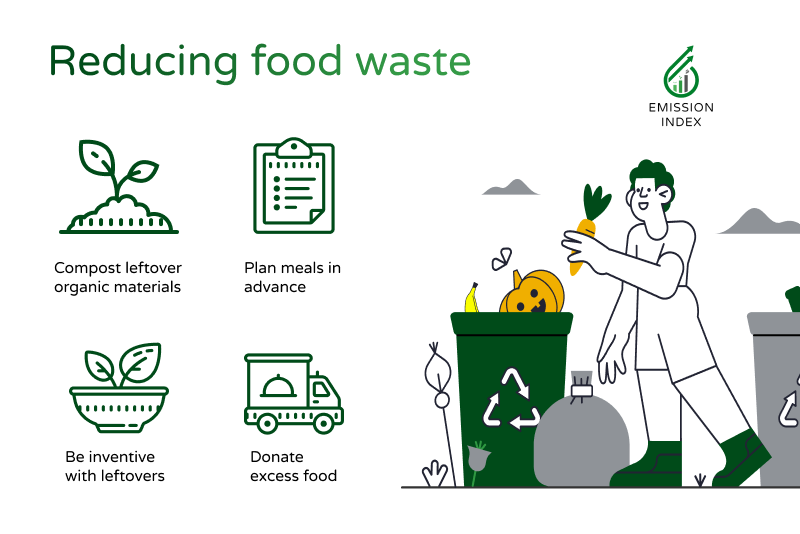
How to do it: Plan your meals before shopping. Use a shopping list to avoid impulse buys. Learn to store fruits and vegetables properly to extend their shelf life. Composting organic waste prevents methane emissions in landfills.
Habit 3: Unplug Energy Vampires
The Impact
Standby power can account for up to 10% of your electricity bill. Devices like TVs, computers, and chargers draw power even when turned off.
How to do it: Use smart power strips that cut power to peripherals when the main device is off. Unplug chargers when not in use. Use our Appliance Energy Cost Tool to identify the biggest culprits.
Habit 4: Choose Sustainable Transport
The Impact
Transportation is often the largest slice of an individual's carbon pie.
How to do it: For short trips (under 2 miles), try walking or biking. For commuting, consider public transit or carpooling. If you must drive, ensure your tires are properly inflated to improve fuel efficiency. Thinking of an upgrade? Check our EV Savings Calculator.
Habit 5: Conserve Water (Hot Water Especially)
The Impact
Pumping, treating, and heating water requires a lot of energy.
How to do it: Take shorter showers. Fix leaky faucets promptly. Wash clothes in cold water whenever possible—detergents today are designed to work well in cold temperatures, and heating water accounts for 90% of the energy used by a washing machine.
Key Takeaways
Start small: Pick one habit to focus on this week.