The Truth About Carbon Offsetting: Does It Really Work?
That “offset your flight for $5” checkbox at checkout is tempting—but a lot of those credits don’t deliver the cut they claim. Some projects would have happened anyway; others double-count or vanish when a forest burns. Offsetting can work when it’s done right. Here’s how to tell the difference.
What Is Carbon Offsetting?
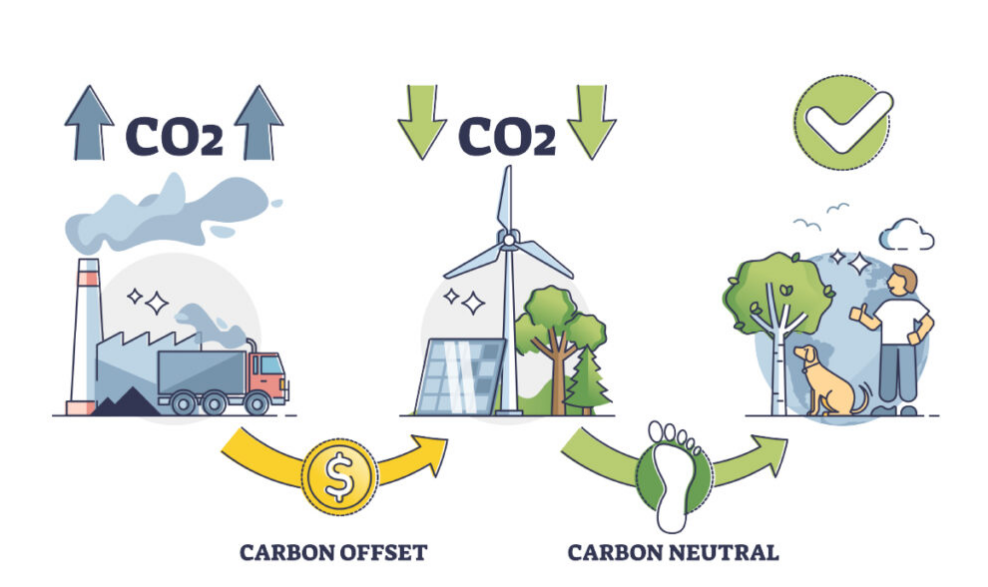
Carbon offsetting is a mechanism that allows individuals and companies to compensate for their greenhouse gas emissions by funding projects that reduce or remove emissions elsewhere. The logic is that greenhouse gases mix globally in the atmosphere, so it doesn't matter where the reduction happens, as long as it happens.
Removal Projects
Projects that pull CO2 out of the atmosphere. Examples include reforestation (planting trees), soil carbon sequestration, and direct air capture technology.
Avoidance Projects
Projects that prevent emissions that would have otherwise occurred. Examples include funding renewable energy to replace coal plants or distributing clean cookstoves.
How It Works (In Theory vs. Reality)
The theoretical process is simple: You calculate your emissions (say, 1 ton of CO2 for a flight), buy a credit representing 1 ton of reduction from a project, and you are "carbon neutral."
However, reality is messier.
Key Challenges (The "Additionality" Problem)
Additionality is Crucial
A project is only a valid offset if the reduction would not have happened anyway. If a forest was already protected by law, paying someone "not to cut it down" doesn't actually reduce emissions compared to the status quo. Many cheap offsets fail this test.
Permanence and Leakage
Trees planted today might burn down in a wildfire in 10 years, releasing all the stored carbon back into the atmosphere.
So, Should You Buy Offsets?
The consensus among climate scientists is: Reduce first, offset last.
Understand your impact.
How to Spot High-Quality Offsets
If you decide to buy offsets, look for projects verified by rigorous standards.