
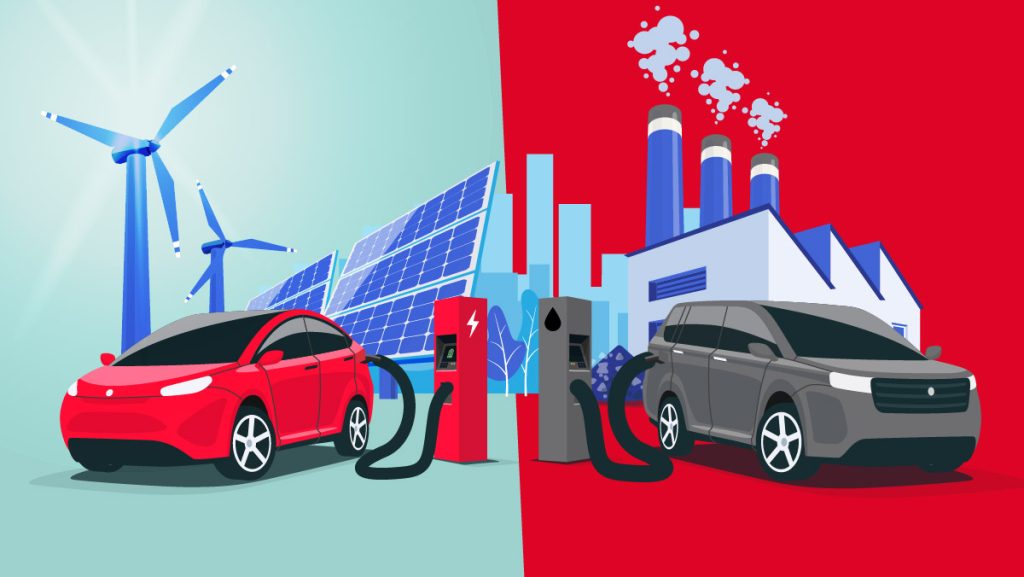
EV vs. Gas Cars: The Real Cost of Ownership in 2026
When shopping for a new car, the sticker price is often the first thing we look at. Historically, electric vehicles (EVs) have been more expensive upfront than their internal combustion engine (ICE) counterparts. But as battery prices drop and gas prices fluctuate, the math is changing rapidly.
The Concept: Total Cost of Ownership (TCO)
The true cost of a car isn't just what you pay at the dealership. It's what you pay over the 5-10 years you own it. This includes:
Electricity vs. Gasoline.
1. Fuel Costs: The Biggest Savings
Electricity is Cheaper
On average, fueling an EV costs roughly half as much as fueling a gas car for the same distance.
In the US, the average cost of electricity is around $0.16 per kWh. A typical EV goes 3-4 miles per kWh. This translates to about $0.04-$0.05 per mile. A 30 MPG gas car at $3.50/gallon costs about $0.12 per mile. Over 15,000 miles a year, that's a saving of over $1,000 annually.
2. Maintenance: Fewer Moving Parts
Say Goodbye to Oil Changes
EV drivetrains have about 20 moving parts. ICE drivetrains have 2,000+.
With an EV, you don't need:
Oil changes
Even brake pads last longer in EVs due to regenerative braking, which uses the motor to slow the car down (recharging the battery) instead of friction brakes.
3. Depreciation: The Wild Card
Depreciation is often the single largest cost of owning a car. Historically, EVs held their value well. However, recent price cuts by major manufacturers (like Tesla) have impacted resale values of used EVs. Conversely, as gas cars become obsolete, their resale value may plummet in the coming decade.
4. Incentives and Tax Credits
Government Help
Many countries offer tax credits (up to $7,500 in the US) for qualifying EVs, significantly narrowing the upfront price gap.
The Verdict
For most drivers, an EV will be cheaper to own over a 5-year period, even if the upfront cost is slightly higher. The sweet spot is often:
Drivers who commute daily (maximizing fuel savings).