Fast Fashion vs. Slow Fashion: The Environmental Impact
Fashion is fun. It's expression. It's art. But the modern "Fast Fashion" model—churning out cheap, trendy clothes at breakneck speed—is an environmental disaster. The fashion industry is responsible for 10% of global carbon emissions, more than all international flights and maritime shipping combined.
What is Fast Fashion?
It's a business model based on:
Moving designs from catwalk to store in 2 weeks.
Brands like Shein, H&M, and Zara epitomize this.
The Environmental Cost
1. Water Pollution
Dyeing to Kill
Textile dyeing is the second largest polluter of water globally. Rivers in Bangladesh and China run purple, black, or red with toxic chemicals.
2. Microplastics
Most fast fashion is made of polyester, nylon, or acrylic (plastic). Every time you wash a synthetic sweater, it sheds 700,000 microfibers into the ocean. These are eaten by fish, which are eaten by us.
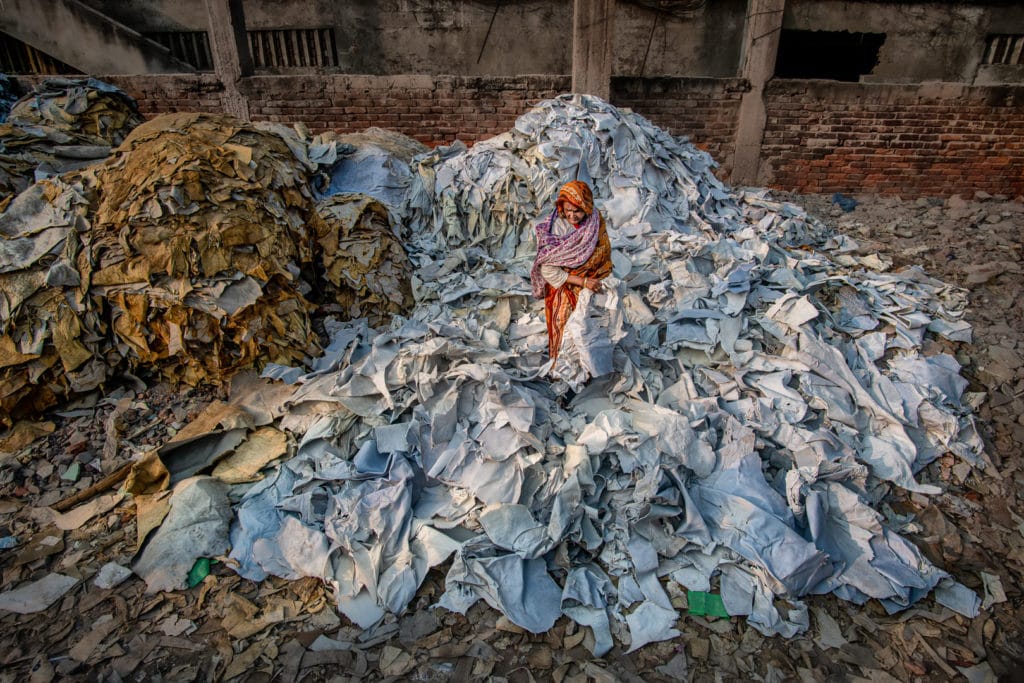
3. Waste
The Landfill Pile
The average American throws away 81 pounds of clothing per year. Most of it ends up in landfills in the Global South (like the Atacama Desert in Chile).
Enter Slow Fashion
Slow fashion is the antidote. It prioritizes:
Garments made to last years, not weeks.
How to Build a Sustainable Wardrobe (Step-by-Step)
The most sustainable garment is the one you already own. Rediscover old favorites.
Key Features of Sustainable Brands
They tell you exactly where the factory is.