Food Miles vs. Local Produce: Which Matters More?
"Eat local" has been a mantra for sustainable living for decades. The logic seems sound: less distance traveled means less fuel burned, which means fewer emissions. But is it really that simple? When it comes to your carbon footprint, focusing solely on food miles might be leading you astray.
What Are "Food Miles"?
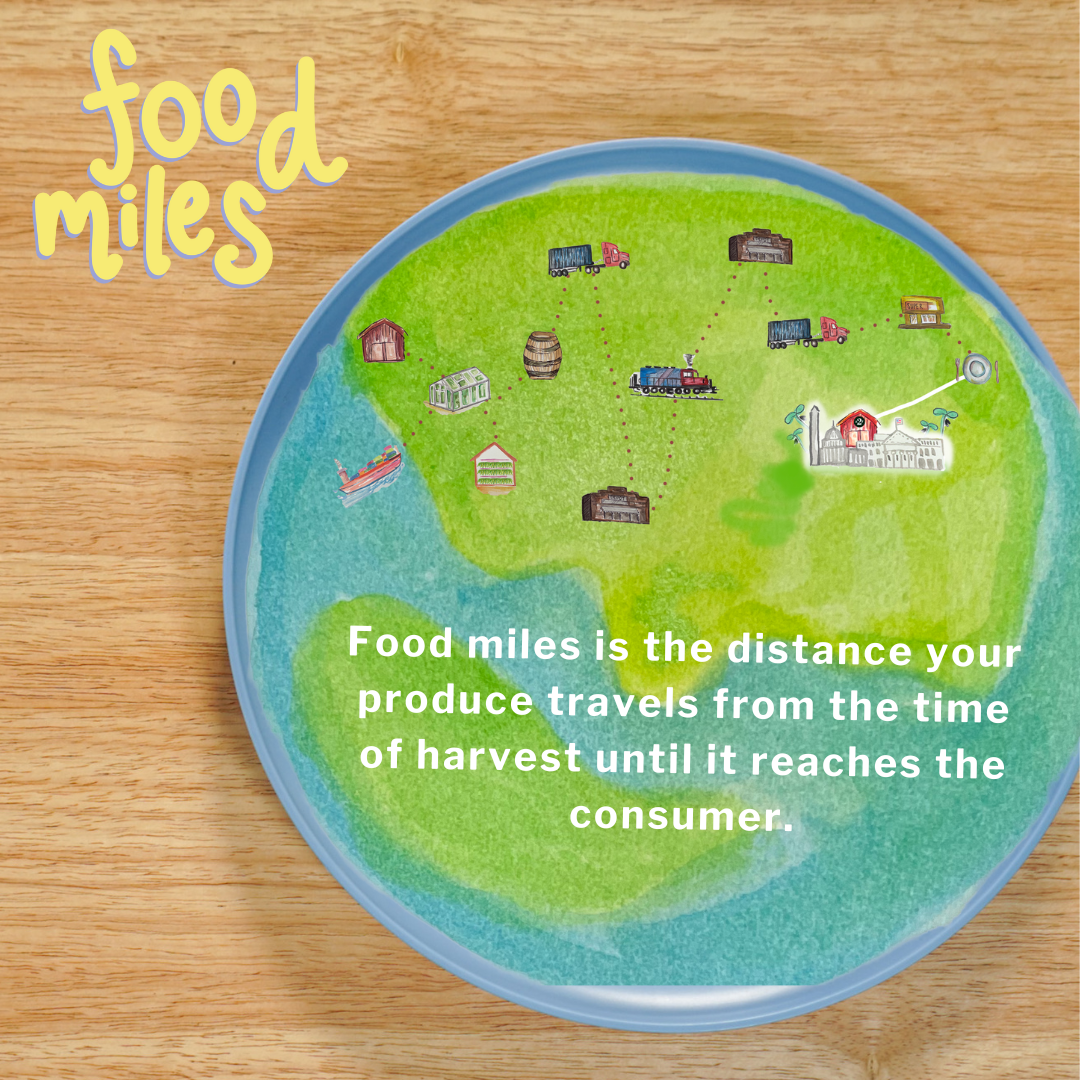
Food miles refer to the distance food is transported from the time of its production until it reaches the consumer. It's a measure used to assess the environmental impact of food, particularly the CO2 emissions associated with transport.
The Reality: Transport is a Small Slice
Here's the surprising truth: for most food products, transportation accounts for a very small percentage of total greenhouse gas emissions—often less than 10%.
Production > Transport
The vast majority of emissions come from the farm stage: land use change (deforestation), methane from livestock, fertilizer production, and manure management. What you eat matters far more than where it came from.
Case Study: The Tomato Paradox
Let's compare two tomatoes eaten in the UK:
Imported from Spain
Grown outdoors in natural sunlight. Transported by truck.
Lower Footprint
Locally Grown in UK (Winter)
Grown in heated greenhouses using fossil fuels to maintain temperature.
Higher Footprint
In this case, the emissions from heating the local greenhouse far outweigh the emissions from trucking the Spanish tomatoes.
When "Local" Actually Matters
Eating local is still beneficial, but for different reasons:
Local food is best when it's in season. Eating local strawberries in winter often means high-energy greenhouses.
The Hierarchy of Sustainable Eating
Shifting away from beef and lamb is the single most effective change.