
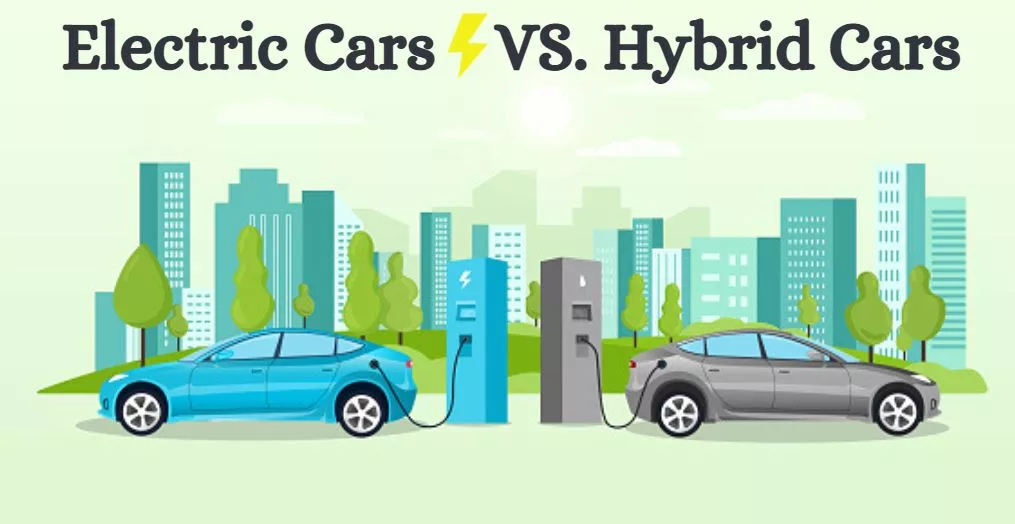
Hybrid vs. Fully Electric: Which Is Right for You?
The road to electrification isn't a single lane. You have options: Hybrid (HEV), Plug-in Hybrid (PHEV), and Battery Electric Vehicle (BEV). Each serves a different purpose and fits a different lifestyle.
The Three Contenders
Hybrid (HEV)
Gas engine + small battery. No plug. Self-charges via braking.
Best for: Apartment dwellers without chargers.
Plug-in Hybrid (PHEV)
Gas engine + medium battery. 20-50 miles electric range.
Best for: Short daily commutes + long road trips.
Electric (BEV)
No gas engine. Large battery. 250+ miles range.
Best for: Homeowners & max savings.
1. Hybrid (HEV): The Easy Step
How it works: The car uses a gas engine as the main power source but gets a boost from an electric motor during acceleration. It recaptures energy when you brake.
Pros:
No need to plug in.
Cons:
Still relies 100% on gasoline.
2. Plug-in Hybrid (PHEV): The Best of Both Worlds?
How it works: Like a hybrid, but with a bigger battery you can plug into a wall outlet. It runs as an EV for 20-50 miles, then switches to gas hybrid mode.
Pros:
Can do most daily driving on cheap electricity.
Cons:
Two powertrains to maintain (engine + battery system).
3. Battery Electric (BEV): The Full Commitment
How it works: No engine. Just a battery and motors. You plug it in to charge.
Pros:
Lowest operating cost (electricity is cheaper than gas).
Cons:
Requires charging infrastructure access.
Which One Should You Buy?
Choose a Hybrid if:
You live in an apartment/condo without charging.
Choose a PHEV if:
You have a garage/driveway.
Choose a BEV if:
You can charge at home or work.