
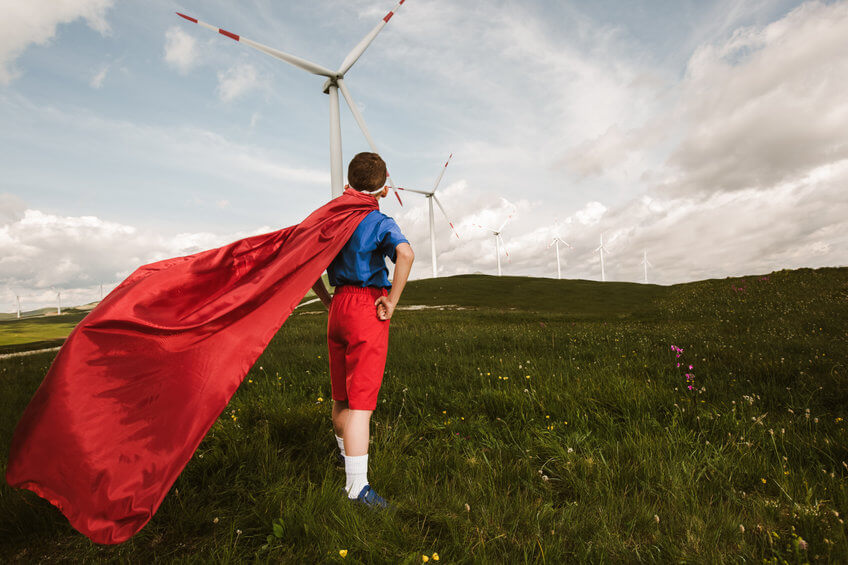
Climate Optimism: Why It's Not Too Late to Fix the Planet
In 2023, the IEA reported that global solar additions beat coal for the first time. That kind of headline gets buried under “record heat” and “irreversible tipping points”—so it’s easy to feel only doom. Eco-anxiety is real, but so is the fact that clean energy, policy, and behavior are shifting faster than many experts predicted. Climate optimism isn’t denial; it’s the view that the future isn’t fixed and that what we do next still matters.
Believing “it’s too late” tends to shut down action. Believing “it’s hard but possible” makes people more likely to vote, change habits, and push for policy. Below is a snapshot of the progress that backs that second view.
Where the Data Shows Progress
1. The Renewable Energy Revolution
Solar power is now the cheapest electricity in history. In many parts of the world, it is cheaper to build a new solar or wind farm than it is to continue operating an existing coal plant.
The adoption of solar and wind is following an S-curve, growing exponentially faster than experts predicted.
2. Global Policy Shifts
While slow, the political ship is turning.
Almost every nation on earth has agreed to limit warming.
3. The Rise of Electric Vehicles
We are witnessing the death of the internal combustion engine. Major automakers have committed to going all-electric. EV sales are breaking records year after year. The transition is happening faster than anticipated.
4. Nature's Resilience
When we give nature a chance, it bounces back.
Thanks to the Montreal Protocol banning CFCs, the ozone hole is healing.
How to Use It (Cultivating Active Hope)
Optimism is a muscle you have to exercise. Here is how to practice "Active Hope."
Step 1: Curate Your Media Diet
"If it bleeds, it leads." Traditional news thrives on disaster. Balance your intake.
Outlets like Happy Eco News, Euronews Green, or the Future Crunch newsletter focus on solutions and progress.
Step 2: Focus on Systemic Change
Individual actions matter, but systemic change matters more. Participating in collective action is a cure for helplessness.
Support candidates who prioritize climate action.
Step 3: Celebrate Small Wins
Did you switch to LED bulbs? Did your city install a new bike lane? Did a friend decide to eat less meat? Celebrate these moments. They are proof of the shift.
Key Features of a Climate Optimist
Visionary
Optimists can imagine a future that is not just "less bad," but actually better. Cleaner air, greener cities, quieter streets, and healthier food.
Data-Driven
Their hope is grounded in facts, charts, and trends showing the rapid adoption of clean technologies.
Collaborative
They understand that we are in this together. They seek to build bridges, not walls, inviting everyone to be part of the solution.
Resilient
They acknowledge the grief and loss caused by climate change but use those emotions as fuel for protection and restoration.
Use Cases
The Concerned Parent
Scenario: Worried about the world their children will inherit.
Optimist Approach: Instead of despairing, they teach their children about nature, get involved in the school board to advocate for solar panels, and focus on the exciting jobs in the green economy their kids might have.
The Corporate Employee
Scenario: Feeling like a cog in a machine that is part of the problem.
Optimist Approach: They form a "Green Team" at work to push for sustainability initiatives, waste reduction, and carbon accounting within the company. They see their position as leverage for change.