
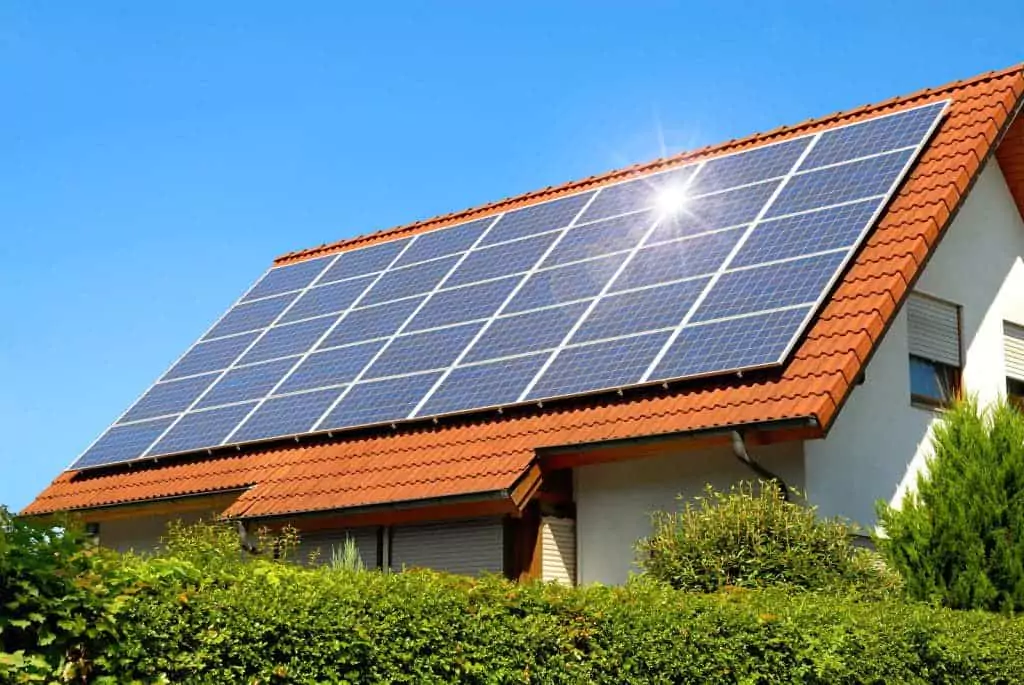
Solar Panels 101: Calculating ROI for Your Home
Solar panels are popping up on roofs everywhere. Are your neighbors just trying to look eco-friendly, or are they actually saving a fortune? The answer is usually the latter.
The Basics of Solar Economics
Solar isn't just an expense; it's an investment with a return. You pay upfront to buy a "mini power plant" that generates free electricity for 25-30 years.
Step 1: Calculate the Cost
The Price Tag
In 2026, the average residential solar system costs about $2.50-$3.00 per watt installed. A typical 6kW system costs roughly $15,000 to $18,000 before incentives.
Step 2: Subtract Incentives
Never pay full price.
In the US, you can deduct 30% of the cost from your federal taxes. That $18,000 system drops to $12,600 immediately.
Step 3: Calculate Savings
How much do you currently pay for electricity?
Savings accumulate slowly. Payback might be 10-12 years.
Net Metering: This is crucial. It allows you to "sell" excess power back to the grid during the day (spinning your meter backward) and pull it back at night.
The ROI Formula
(Annual Savings / Net Cost) x 100 = ROI %
If your net cost is $12,000 and you save $1,500/year:
$1,500 / $12,000 = 12.5% return per year.
Try getting a guaranteed 12.5% return from the stock market for 25 years straight!
Key Features of a Good Solar Roof
Orientation Matters
South-facing roofs are best in the Northern Hemisphere. West is good for afternoon AC loads. East is okay. North is usually a no-go.
Trees are the enemy. Even a little shade can significantly drop output (though microinverters help).