
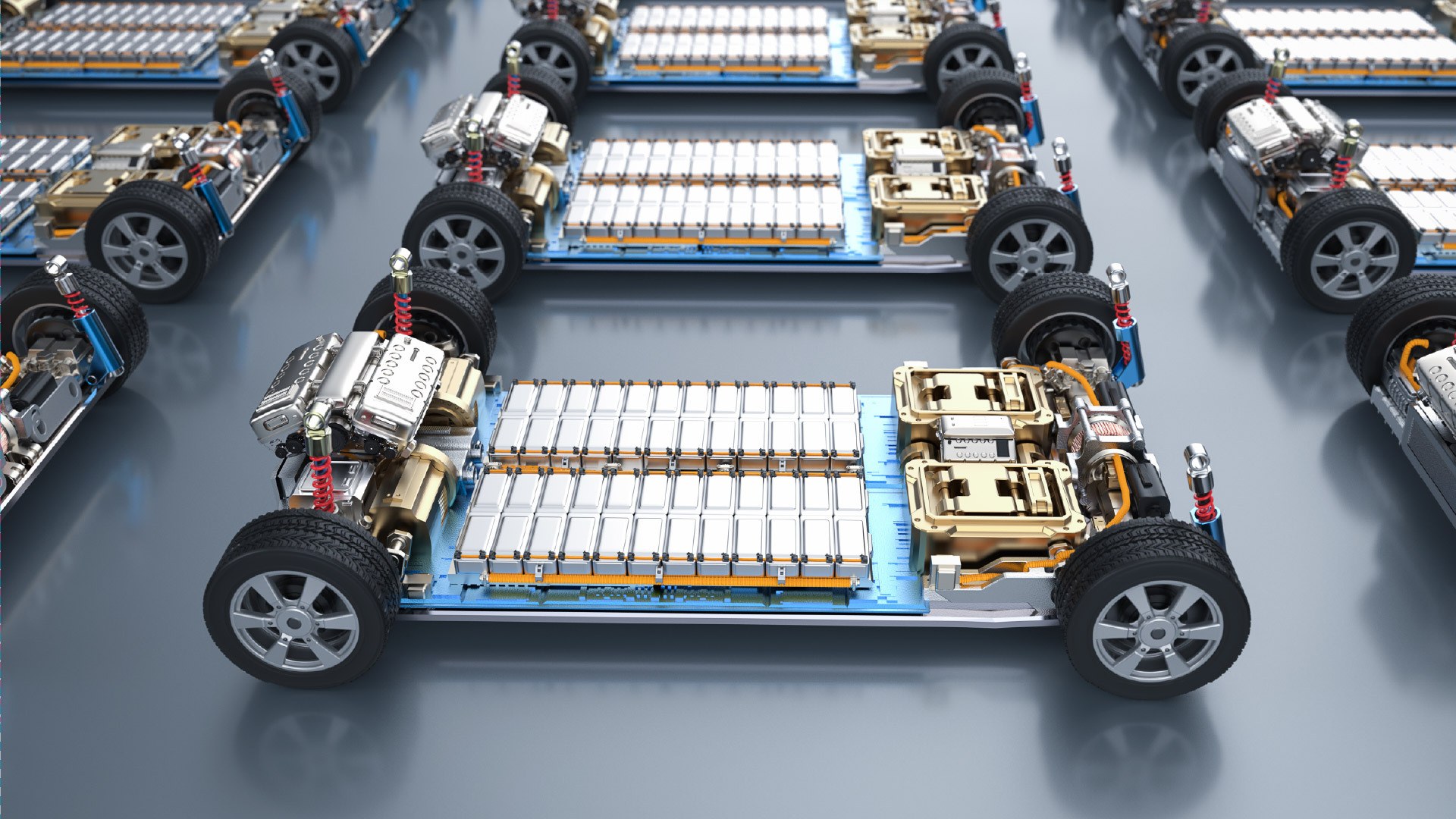
How Long Does EV Battery Last? Facts vs. Fiction
The battery is the heart of an electric vehicle—and its most expensive component. It's natural to worry about its lifespan. We've all had smartphones that die by noon after two years. Do cars suffer the same fate?
The Short Answer: Longer Than You Think
Unlike phone batteries, EV batteries are designed for longevity. They have sophisticated thermal management systems (liquid cooling/heating) and buffers that protect the cells from stress.
Fact: Battery Degradation is Real, But Slow
The Data
On average, EVs lose about 2.3% of their range per year. This means after 10 years, a car with a 300-mile range would still have roughly 230-240 miles of range.
Data from thousands of Teslas shows that even after 200,000 miles, most battery packs retain over 80% of their original capacity. This is often better than the engine longevity of many gas cars.
Key Factors That Affect Lifespan
Just like humans, batteries age differently depending on how they're treated.
1. Temperature Extremes
Heat is the Enemy
High temperatures degrade lithium-ion cells faster than cold. Parking in the shade or a garage during hot summers helps.
2. State of Charge (SoC)
Batteries are happiest at 50%. Keeping them at 100% or 0% for long periods causes stress.
Try to keep your daily charging between 20% and 80%.
3. Fast Charging Frequency
Exclusively using DC Fast Charging (Supercharging) can accelerate degradation slightly due to heat generation. However, modern thermal management systems have minimized this impact significantly. Occasional fast charging is perfectly fine.
Warranties: Your Safety Net
Industry Standard
Most manufacturers warranty the battery for 8 years or 100,000 miles to 70% capacity.
If your battery drops below 70% health within that period, they will repair or replace it for free.
How to Maximize Battery Life (Step-by-Step)
Use your car's screen or app to set the daily charge limit to 80%.