
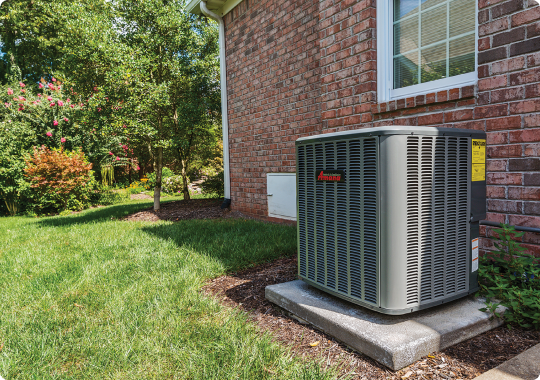
Heat Pumps Explained: The Future of Home Heating and Cooling
If you listen to energy experts, the "heat pump" is the superhero of home decarbonization. But the name is confusing. Does it only pump heat? Does it work in the cold? Let's demystify this technology.
How It Works: Moving Heat, Not Making It
Traditional furnaces burn fuel (gas/oil) or use electric resistance (like a toaster) to create heat. This is, at best, 100% efficient (1 unit of energy in = 1 unit of heat out).
A heat pump doesn't create heat. It moves it.
It acts exactly like an air conditioner, pumping heat from inside your house to the outside.
"Wait," you ask. "How can it find heat in 20°F air?"
Physics! Even cold air contains thermal energy. By compressing a refrigerant, the heat pump concentrates that sparse heat energy until it's hot enough to warm your home.
The Magic Number: COP
Coefficient of Performance
Because they move heat rather than create it, heat pumps can reach efficiencies of 300% to 400%. For every 1 kWh of electricity you put in, you get 3-4 kWh of heat out.
Types of Heat Pumps
Air Source
Most common. Pulls heat from the outside air. Can be ducted (central) or ductless (mini-splits).
Geothermal
Pulls heat from the ground. More expensive to install, but even more efficient and consistent.
Myth Busting: "They Don't Work in the Cold"
This was true in the 1980s. It is false today.
Modern "Cold Climate" heat pumps (like Mitsubishi Hyper-Heat) can operate at 100% efficiency down to 5°F and keep working down to -13°F or lower. Countries like Norway and Finland have the highest adoption rates of heat pumps in the world. If they work in the Arctic Circle, they'll work in Ohio.
Financial Benefits
If you heat with oil, propane, or electric resistance, a heat pump can save you thousands a year. (Against cheap natural gas, the savings are smaller but still present).
Key Features to Look For
Allows the compressor to ramp up and down smoothly instead of blasting on/off, saving energy and reducing noise.