
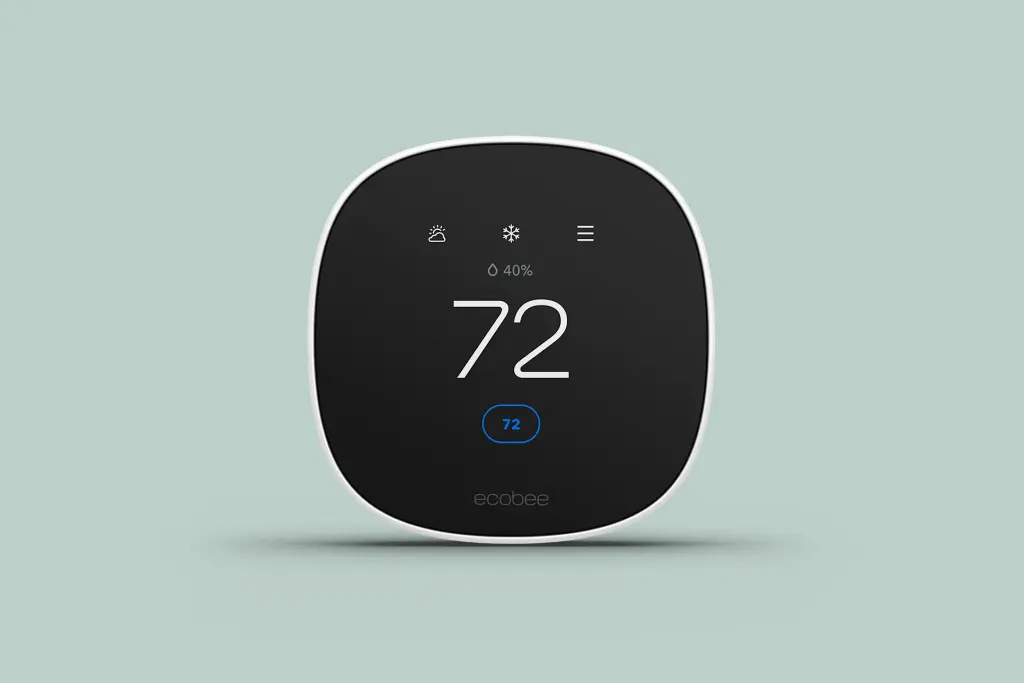
Smart Thermostats: Are They Worth the Investment?
Heating and cooling account for nearly half of the average home's energy bill. It's the biggest slice of the pie. Smart thermostats promise to shrink that slice without sacrificing comfort. But do they deliver?
What Makes Them "Smart"?
Unlike a programmable thermostat (where you manually set a schedule), a smart thermostat learns your habits.
It knows when you leave the house and automatically turns down the heat/AC.
The Savings Potential
The Numbers
Energy Star data suggests smart thermostats can save ~8% on heating and ~10% on cooling costs annually. For the average US home, that's about $50-$100 per year.
If a smart thermostat costs $150-$250, the payback period is typically around 2-3 years. After that, it's pure profit.
Key Features to Look For
Remote Control
Adjust the temperature from bed or from a hotel room halfway across the world.
Room Sensors
Place sensors in bedrooms to ensure those rooms are comfortable at night, not just the hallway.
Installation: Can You DIY?
For most homes, yes. It involves:
Turning off power to the HVAC system at the breaker.
Warning: If you have a "C-wire" (Common wire), installation is easy. If not, you might need an adapter kit (often included) or professional help.
Use Cases: Who Benefits Most?
If you work irregular hours, a programmable thermostat is useless. A smart thermostat adapts to you.